Journal Detail back to listing

Raising the Barre: Clinical Standards in Dance and Performance
- Jun 16, 2026
- Latest Journal
Raising the Barre: Clinical Standards in Dance and Performance
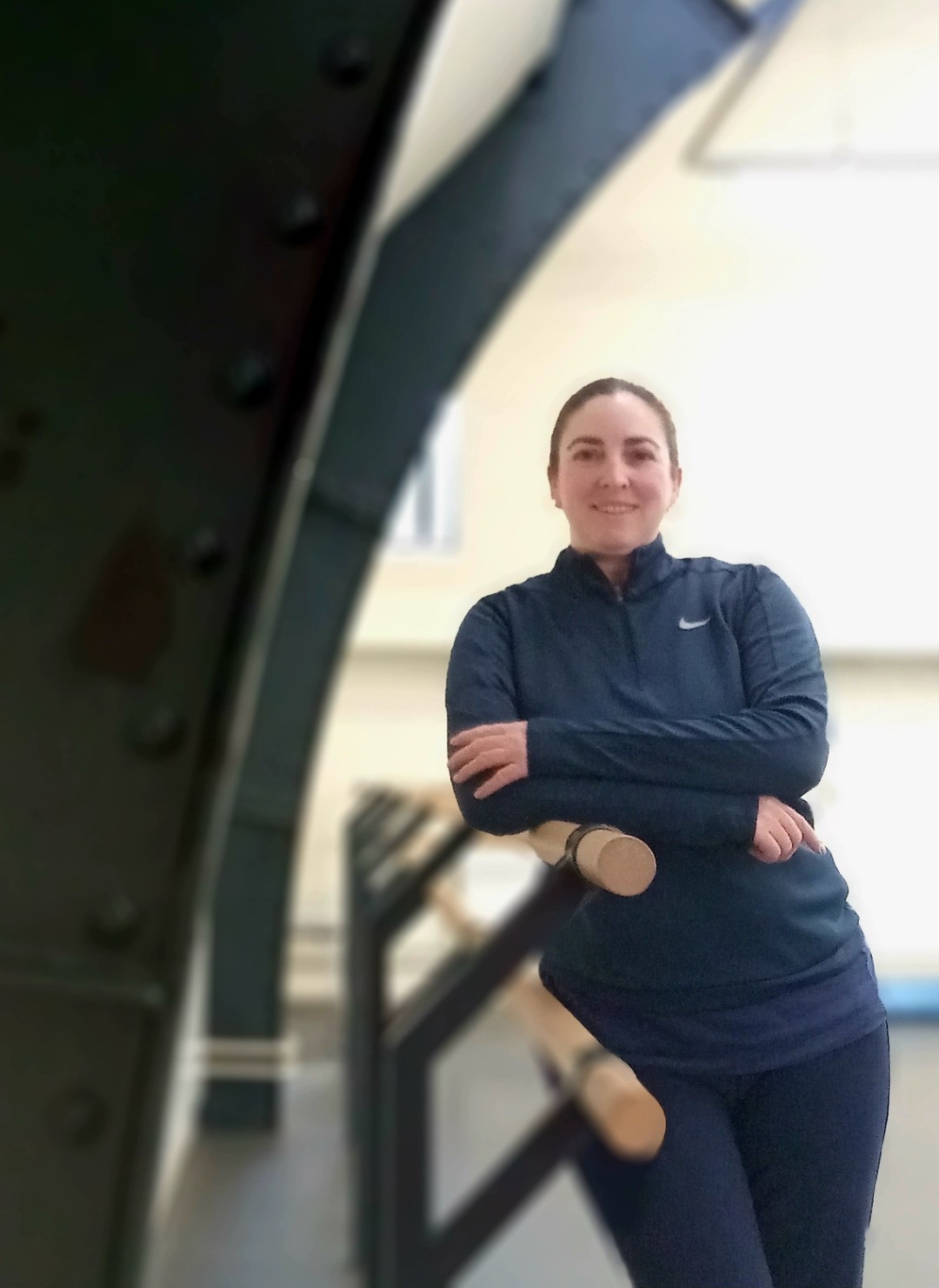
by Nina Slawson, Chartered Physiotherapist at Somek & Associates Ltd.
Career Stages
I would like to introduce you to my work and clinical specialty as a physiotherapist in dance and sport performance, and expert witness who joined Somek and Associates in 2024.
My career began in 1999 and, in this time, I have treated over 600 dancers and worked with some of the world’s best athletes, including world champions and Olympic medal winners across multiple sports. Due to recognition of my work in this field, I have also been requested to work with professional performers on stage, film and television, including Strictly Come Dancing.
The complexity of my role has developed, as has the growing research and evidence base body of work in dance medicine, notably demonstrated by the development of the International Association for Dance Medicine and Science. Over the past 15 years a career in dance has become ever more competitive and diverse. The opportunities, structure, and intensity of training and skill set have intensified too. The industry includes touring, being part of dance companies and academies, theatre, cruising, ariel performance and independent artists. These industries have committed and talented individuals pushing peak performance and precision that requires years of dedication and skilled management.
Requirements of Injury Recovery in Dance
During the working week I am responsible for the physiotherapy care of 120 dancers in a Performing Arts Institute. This role is highly advisory, as I get asked questions about improving technique and overcoming technical difficulties for dancers. I am expected to advise on protecting against injury and whether a dancer can train or perform due to an injury, plus the expected recovery times and limitations. Of note, in ariel training, the dancers are suspended in the air, wrapped and twisted around silk ropes or hoops. This requires immense strength and endurance to make movements look graceful and effortless but with significant control. An understanding of whether a dancer is fit to train or fully recovered and allowed to participate comes with a high level of adherence to health and safety standards and competence for decision making.
Following detailed assessment, an injury will be diagnosed, and rehabilitation plans put in place with evidenced-based treatment and recommendations. Onward referrals are sometimes required to GPs and Orthopaedic Specialists.
Examples of injuries I may encounter include traumatic ligament injuries of the hip and knee, stress fractures of the spine and feet, disc injury and muscle tears. Due to the strength, flexibility, capacity, and control necessary, I am accountable for deciding if it is safe for a dancer to return to training and performance. I give feedback to the team on changes, considerations, and adjustments for each dancer. To make these decisions, I assess the site and stage of injury, healing time, and analyse the requirements to restore the structure and function to the highest and safest standard.
In response to the needs of the dancers as athletes, I decided to develop a screening system to identify risk factors for each dancer, with a strong focus on injury prevention. This led to me being asked to create and teach a course module on injury prevention and management. This now sits as an integrated component of a dance degree course. I realised my knowledge could be of value in different and developing forms. As a physiotherapist, I must recommend restrictions to safeguard at every stage of injury.
The Devastating Impact of Injury, and the Importance of Reporting
My ethos is always to rehabilitate a patient to better condition than pre injury, which has maintained my reputation and enabled me to work with the world’s elite. But what if a dancer has sustained an injury, and long-term effects of injury? In these circumstances I may be asked by case managers and solicitors to what extent the individual is likely to be physically affected and to provide detailed reasoning as to the extent of the physical limitations, likely recovery times and intensity of rehabilitation needed. I review evidence and consider accountability. Thorough codes of conduct and professional standards are in place for health professionals to adhere to. In circumstances where this is called into question in this field, an experienced practitioner with a detailed understanding of the work is essential. As an expert witness, I use my knowledge to take the complex and guide with reason and clarity.
The expert’s role in breach of duty reports is to provide an independent, objective, and evidence-based opinion to the court on whether a professional’s actions fell below a reasonable standard of care. As an expert witness, I have written impartial reports on both claimant and defendant cases and given evidence under cross examination for a criminal case in Crown Court.
Physiotherapy in Dance is a specialised niche role, but a growing specialty within the sport and musculoskeletal field. There is a high expectation for injury prevention, effective rehabilitation, and return to high performance.
To navigate patient care, there are comprehensive standards of practice, rehabilitation protocols, and a duty of care that must be adhered to by health care professionals in this field. Where the clinician’s and professionals’ actions fall below the set standards expected, the implications can be serious. When a professional’s actions do not meet the required standards, there is a high risk of misdiagnosis, delayed diagnosis, inappropriate return to play, and negligent practice leading to harm.
To view Nina Slawson’s expert profile visit: www.somek.com/expert-witness/nina-slawson/
Specialist Physiotherapy Expert Witness Services in Sports and Dance Injury Claims
by Jessica Thurston, Care/Occupational Therapist at Somek & Associates Ltd.
Sports injuries require specialist knowledge. At Somek & Associates we provide expert witness services from physiotherapists with specific experience in sports/dance injury management, ensuring clarity and credibility in complex cases. Our physiotherapists practice clinically in the NHS and/or in independent practice. Our sports/dance injury physiotherapists can provide reports for breach of duty and/or quantum purposes, and for professional regulation purposes.
Physiotherapy Evidence in Quantum Valuation
Physiotherapists provide objective assessment and analysis of injury, that includes detailed measurement and consideration of the following:
- Strength, power, endurance, and neuromuscular control
- Movement quality, biomechanics, and compensatory patterns
- Alignment
- Injury risk
- Capacity to train/compete
- Load tolerance and fatigue thresholds
- Time scales for return to-sport specific training and competing
- Time scales for return to dance training and performing
- Condition and prognosis following surgery
- Short- and long-term rehabilitation requirements
Sports and dance require precision, agility, and high level physical conditioning and endurance. Our expert physiotherapists evaluate:
- Technical movement requirements (e.g. jumps, turns, explosive acceleration, pointe work)
- Training volume, intensity, and progression
- Performance expectations at amateur, semi professional, or elite level
- Safe return to compete/perform
Our sports/dance physiotherapy reports will reflect the true physical demands of the claimant’s discipline. For example, aerial performers, stunt performers and those undertaking impact sports are more likely to sustain high-level trauma.
Our physiotherapy experts will provide realistic, clinically-grounded projections regarding:
- Condition and prognosis
- Expected recovery timelines
- Likelihood of re injury or long term functional limitation
- Permanent impairment and its implications for performance
- Future treatment, rehabilitation, and conditioning needs
These insights directly inform future care costs, loss of earnings, and loss of opportunity valuations.
- For athletes and dancers, injury can alter:
- Career longevity
- Ability to progress to higher levels
- Access to scholarships, contracts, or touring opportunities
- Capacity to maintain training loads
Physiotherapy Evidence in Breach of Duty & Professional Regulation
- Delayed diagnosis Failure to conduct necessary tests, delayed onward referral, communication errors.
- Misdiagnosis Often leading to inappropriate treatment causing delay or harm and failing to refer.
- Incorrect Rehabilitation for Sports/Dance Injuries Unsafe exercise plans or premature return-to-play advice leading to re-injury.
- Failure to Identify Serious Injury Missing red flags, ligament tears, fractures, or concussion symptoms and failing to refer appropriately.
- Inadequate Supervision During High-Risk Exercises Leaving athletes unsupervised during advanced drills or equipment use.
- Equipment Safety Issues Using faulty or poorly maintained rehab tools or gym apparatus.
- Lack of Informed Consent Not explaining risks of aggressive rehabilitation or sports-specific interventions.
- Poor Documentation Missing treatment notes or progression records that compromise continuity of care.
- Advice Beyond Scope Giving clearance for competitive return without proper medical authority.
- Infection Control Breaches Poor hygiene practices in shared sports facilities or therapy environments.
Why Choose Somek & Associates?
- Specialist Sports/Dance Injury Expertise – Our physiotherapy experts have hands-on experience with elite athletes and sports rehabilitation protocols.
- Independent, Evidence-Based Opinions – Clear, impartial reports for claimant and defendant cases.
- Trusted by Leading Law Firms – Decades of experience supporting solicitors in personal injury and clinical negligence claims.
Typical Cases We Support
- Mismanaged rehabilitation after ACL reconstruction or tendon repair.
- Incorrect physiotherapy advice causing delayed recovery or further harm.
- Sports/dance injury claims involving physiotherapy treatment errors.
- Breach of duty causing preventable injury.
- Safety protocols falling below acceptable standards leading to injury or delayed return to sport/performance.
- Dangerous training techniques causing athletes to train beyond physical capacity.
- Inappropriate management of training load causing stress fractures or severe career-limiting soft tissue issues.
- Evidence-based opinion on if care fell below a reasonably skilful and competent practitioner involved with sports teams/athletes/dancers and performers.
- If you’re a solicitor handling a sports/dance injury case, or need expert insight into physiotherapy standards, Somek & Associates can help.
Contact us today to discuss your requirements:
Phone: 01494 792 711
Email: enquiries@somek.com
Website: www.somek.com